

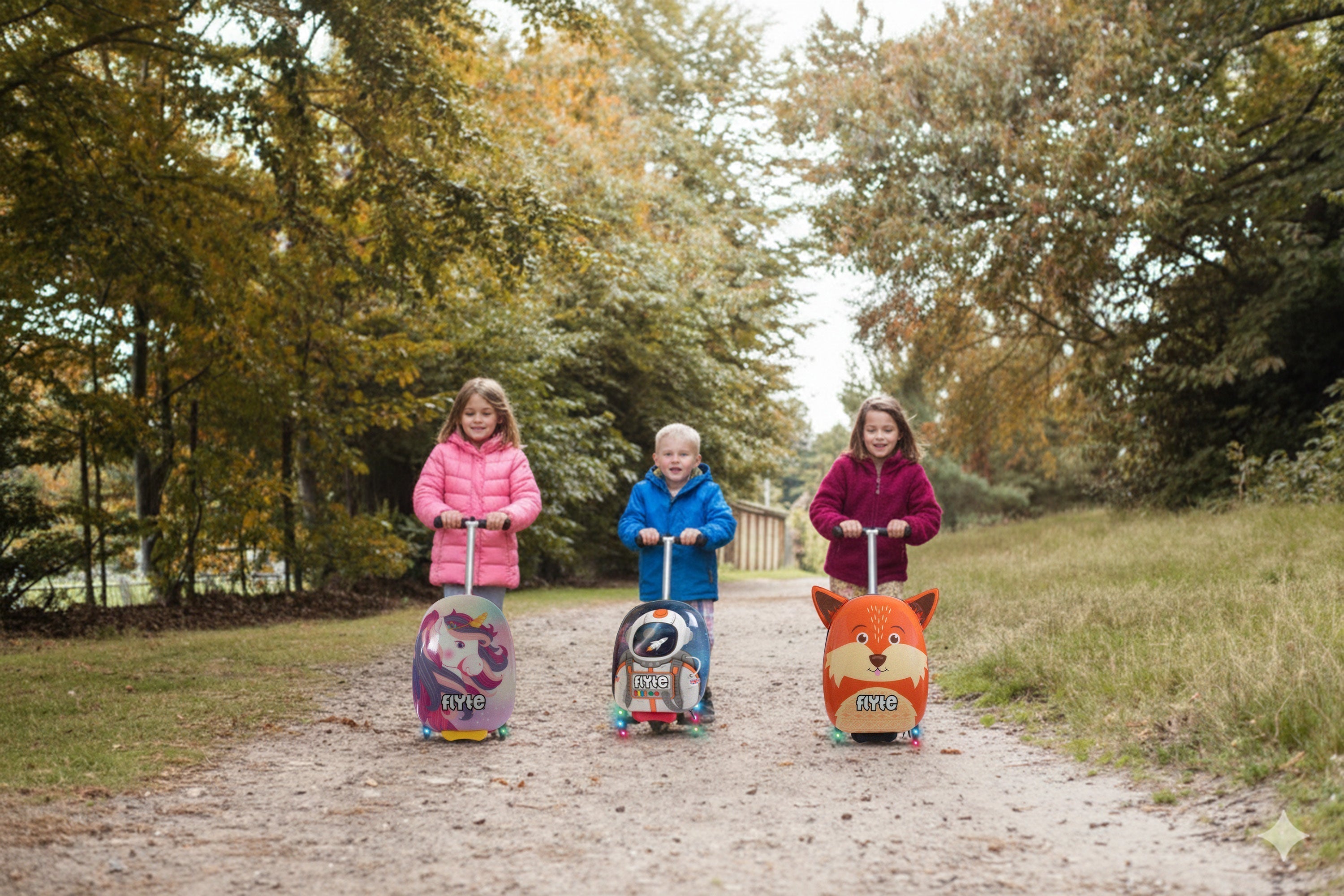
Setting Family intentions for 2026
Setting Family intentions for 2026
January often arrives with a lot of noise, resolutions, goals, and the pressure to overhaul your life overnight. But when you’re raising children, especially little ones, that approach rarely feels realistic. Instead of rigid resolutions, many families are choosing a softer, more meaningful alternative: setting family intentions.
Family intentions focus on how you want life to feel, rather than what you want to achieve. They create space for growth, connection and adventure, without the pressure.
What are family intentions?
Family intentions are shared values or themes that guide how you spend your time together. They aren’t about perfection or productivity; they’re about aligning your everyday life with what matters most.
Examples might include:
- Spending more time outdoors together
- Creating space for slow mornings
- Saying yes to small adventures
- Prioritising connection over schedules
Unlike resolutions, intentions are flexible. They evolve with your family and leave room for real life.
Why intentions work better than resolutions for families
Life with kids is unpredictable. Sleep regressions, school bugs, changing routines - it’s a lot. Intentions allow you to adapt without feeling like you’ve failed.
They help families:
- Reduce pressure and guilt
- Focus on shared experiences rather than outcomes
- Build stronger emotional connections
- Model healthy goal setting for children
Intentions meet you where you are, not where you think you should be.
How to set family intentions (without overwhelm)
1. Reflect on the year just gone
Before looking ahead, take a moment to reflect. Ask yourselves:
- What brought us joy last year?
- When did we feel most connected?
- What felt rushed or overwhelming?
This reflection helps shape intentions rooted in real experience.
2. Choose one to three intentions only
Keep it simple. One to three intentions are more than enough, especially with young children.
Examples:
- More shared adventures
- Slower weekends
- Being present during everyday moments
3. Involve your children
Children don’t need formal goal-setting sessions. Simple conversations work best:
- “What do you want to do more of this year?”
- “What makes you happiest?”
Their answers are often surprisingly insightful.
4. Focus on rhythms, not rules
Instead of strict plans, think about gentle rhythms:
- Weekly walks
- Monthly day trips
- Annual traditions
These small, consistent moments are what build memories over time.
Making space for adventure big or small
Adventure doesn’t have to mean boarding a plane. With little ones, adventure often looks like:
- Exploring somewhere new close to home
- Letting children lead the way
- Saying yes more often than no
When adventure becomes an intention, it naturally weaves itself into everyday life.
Letting go of the pressure
Some weeks your intentions will feel easy. Others they’ll be forgotten entirely and that’s okay. Family life is seasonal. Intentions are there to guide you, not to judge you.
The goal isn’t to do more, it’s to be together, more often and more intentionally.
Final thoughts
Setting family intentions creates a foundation for a year filled with connection, curiosity, and shared experiences. Without pressure. Without perfection. Just a gentle compass pointing towards what matters most.